Black Friday Mechanical Keyboard Deals 2026: What's Worth Buying
Black Friday mechanical keyboard deals 2026: 10 boards from our guides worth watching, typical prices, what a good deal looks like and how to spot fake deals.
In-depth reviews, buying guides and comparisons - honestly researched.
Black Friday mechanical keyboard deals 2026: 10 boards from our guides worth watching, typical prices, what a good deal looks like and how to spot fake deals.
Best silent mechanical keyboard for office use in 2026: 7 quiet picks with silent switches, from budget to premium, compared by noise, layout and wireless.
Learn 6 beginner-friendly keyboard mods: switch lubing, tape mod, foam mod, stabilizer tuning, switch films & band-aid mod. Improve sound and typing feel.
The 7 best 65% mechanical keyboards of 2026: budget, wireless, Hall Effect gaming and premium picks, compared by switches, hot-swap, connectivity and price.
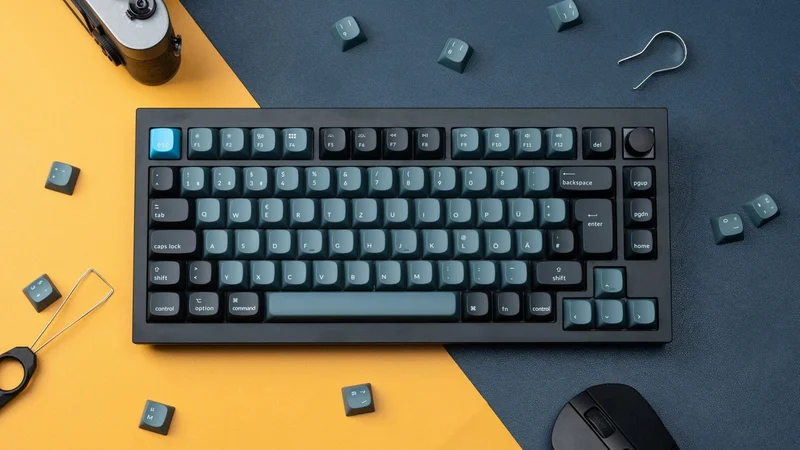
The 7 best 75% mechanical keyboards of 2026: budget, wireless, Hall Effect gaming and premium boards, compared by switches, hot-swap, connectivity and price.
Discover what Hall Effect switches are, how they work, their advantages and the best models of 2026. Complete guide to choose your next magnetic keyboard.
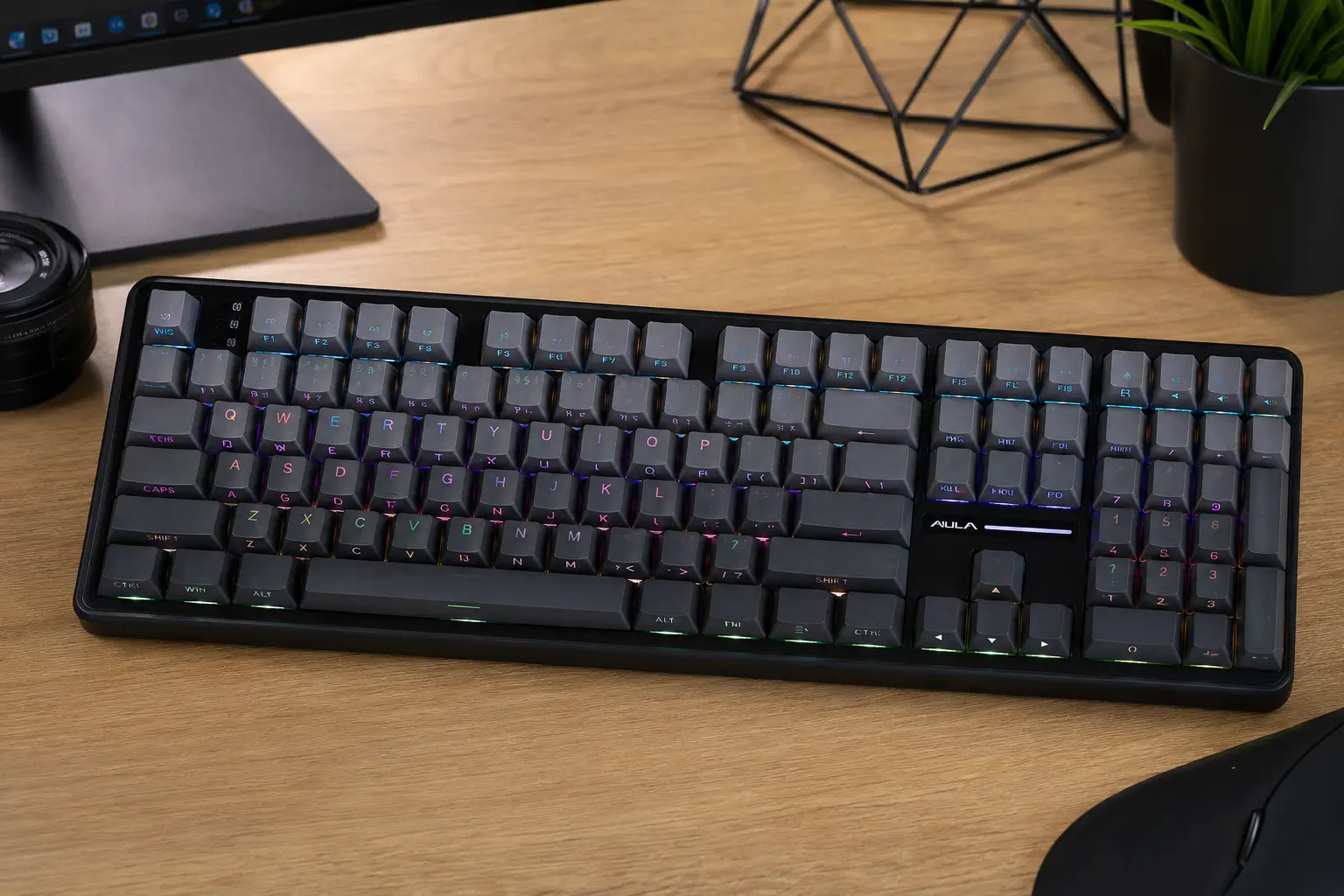
AULA F108 review based on specs, expert reviews and owner feedback: Greywood V3 hot-swap switches, tri-mode wireless, 5-layer dampening and 200 h battery.
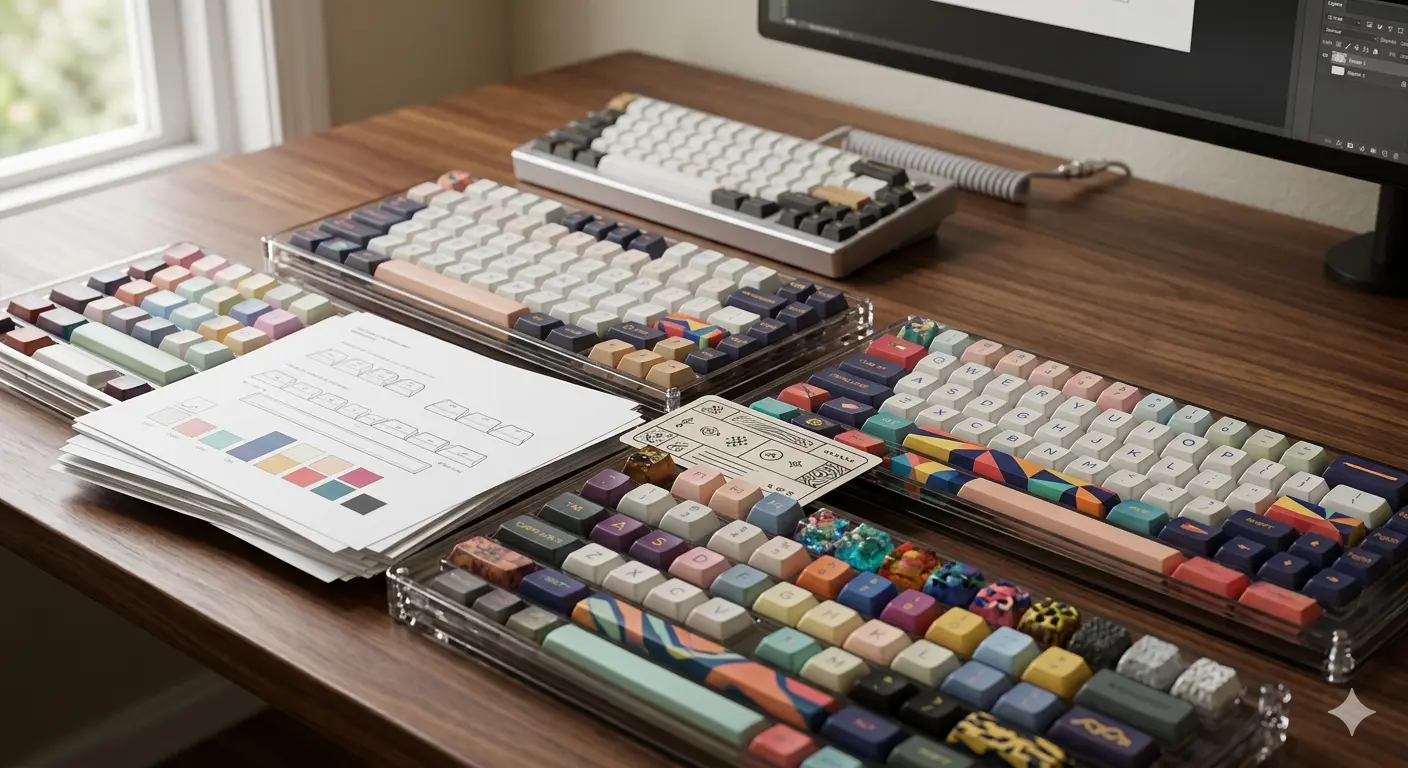
Custom keycap sets can cost $150–$250+. We explain group buys, why they're so expensive, the 12-month production timeline, and whether they're worth it.
Mechanical keyboards have been around since the 1970s, but the enthusiast community transformed them into a hobby of precision, sound and feel. From the IBM Model M to today's custom gasket-mount builds - we document it all.
Reviews
Tested keyboards with ratings
2 articlesSwitches
Linear, tactile & clicky explained
5 articlesKeycaps
Profiles, materials & group buys
4 articlesGuides
Buying guides & recommendations
7 articlesComparisons
Side-by-side comparisons
6 articlesLearn
How keyboards work & ergonomics
12 articlesHistory
From typewriters to custom builds
3 articlesTutorials
Step-by-step mods & maintenance
9 articlesWe're a small team of tech nerds who believe product reviews should be honest, thorough, and actually useful. We combine hands-on experience with the keyboards we own, manufacturer specifications and long-term feedback from the enthusiast community - no recycled marketing copy, no paid rankings.
Whether you're building your first mechanical keyboard, setting up a home NAS, or looking for the best AI tools to streamline your workflow - we've got you covered with in-depth articles written in plain language.
Mechanical switch technology dates back to the typewriters of the 1870s, but the modern era started with IBM's Selectric in 1961 and the iconic Model M in 1984. Cherry patented their MX switch family in 1983 - the same switches still used today. The enthusiast hobby as we know it took off around 2010, driven by online communities and the rise of custom builds.
The IBM Model M (1984) used buckling spring switches mounted on a steel backplate inside a thick PVC shell. The result: a keyboard that weighed over 2 kg, produced a distinctive loud clack, and was built to last decades. Many original units still work perfectly today. It set the standard for tactile feedback and build quality that the entire enthusiast community still references.
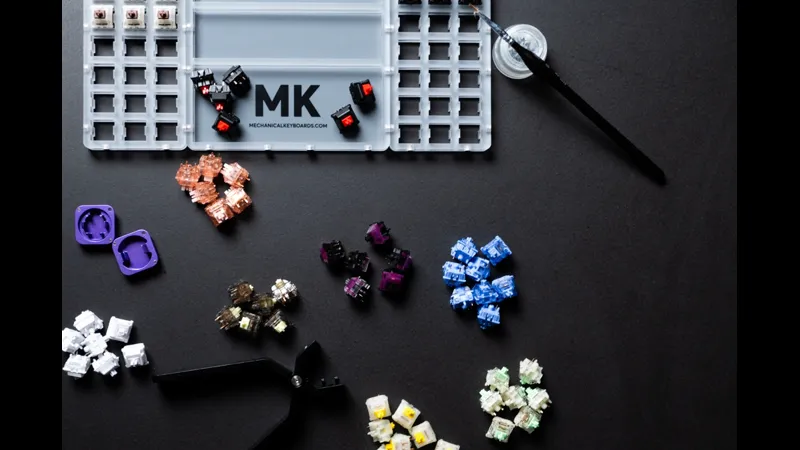
Over 200 distinct switch variants are documented across manufacturers. They all fall into three categories: linear (smooth keystroke, no bump), tactile (physical bump at actuation point), and clicky (bump plus audible click). The major brands are Cherry, Gateron, Kailh, and Topre. Each brand offers dozens of force and travel variations targeting gaming, typing, and silent office use.
Reviews of keyboards we own are based on extended real-world use: typing, gaming, sound and daily use across different operating systems. Buying guides and comparisons also draw on manufacturer specifications, independent measurements and long-term feedback from the enthusiast community, and we aim to make clear which is which.
No. Our editorial content is completely independent. Some articles contain affiliate links (clearly disclosed), which means we may earn a small commission if you purchase through our links - but this never influences our ratings or recommendations. We buy most products ourselves.